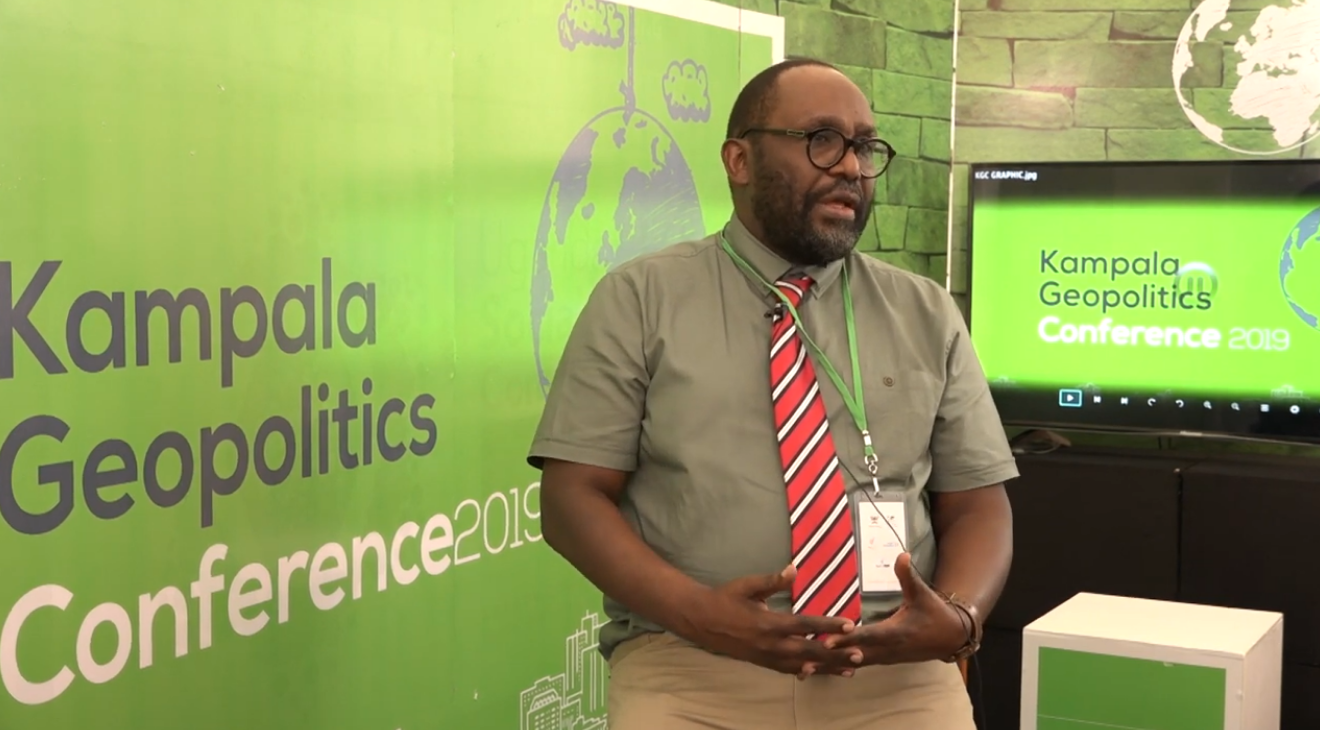
Ugandan veteran journalist and Curator of the Wall of Great Africans, Charles Onyango-Obbo, says the grim odds facing Uganda’s next chapter after Gen Yoweri Museveni’s long rule now raises questions whether the East African country survives the Museveni-era aftermath. Museveni catapulted himself to power in a military coup on January 26, 1986 following a five-year protracted guerrilla bush war.
He toppled Gen Tito Okello-Lutwa, who, as army commander, had ousted his boss, President Milton Obote on July 27, 1985.
“Uganda has never changed leaders through voting since independence in 1962, and no ruling party or military regime has had a change of leaders through an internal vote or selection while in power either,” Onyango-Obbo argues in a November 22 post on X (formerly twitter).
Advertisement
The political temperature in Uganda is currently tense as citizens sit on the edge unsure of what will follow next after Museveni’s presidency believed to have relatively held the country together. The tension is not helped by the increased feared spate of abductions, incommunicado detentions and torture allegations of political critics and members of the opposition. The allegations fly high in the face of the security forces. Uganda is feared to have largely slid from the rule of law, respect for human rights among other unconstitutional and unlawful conduct of the security forces in the country. Some citizens have fled to exile altogether for fear of their lives.
Today, according to Onyango-Obbo, Uganda scores 91.1 (‘Alert’) on the Fragile States Index, raising unease (even terrifying prospects for some) about mounting tensions over succession, and what might happen of Museveni, nearly 41 years in power, steps down in 2031. “He [Museveni] could, of course,” Onyango-Obbo points out, “take a leaf from his Equatorial Guinea’s Teodoro Obiang Nguema Mbasogo, in power since August 1979, and soldier on toward 50 years.
“The country can’t take comfort from African precedent, which is grim. Violence or extra-constitutional means is the most common way long-ruling African presidents leave power, at 33.4% of exits, while peaceful exits make up just 14.4%.”
Zimbabwe’s Robert Mugabe was removed by the military in November 2017 after 37 years’ presidency. In Sudan, Onyango-Obbo reminisces, Omar al-Bashir’s fall set off power struggles that ended in brutal war. War revolving around power struggles among Bashir’s generals is still raging on in Sudan and grinding civilian livelihoods to the halting tilt.
“Uganda’s clock is ticking. The question is not whether Museveni’s era ends, but whether Uganda survives the ending,” Onyango-Obbo observes.
Museveni’s bush war comrade and one of the longest-serving ministers, Retired Maj-Gen Kahinda Otafiire, on the other hand, has reportedly called on young people to rise up and redeem Uganda before it is too late. “Stand up and tell us [leaders in power] enough is enough,” Otafiire is quoted to have told the 29th cohort of graduating students at Kampala International University on November 21. Otafiire is among the handful ruling establishment leaders to have come out openly to speak against the intensified human rights abuses and rule of law slide said to have so far engulfed the country especially in the last 15 months.
“These people have families like their abductors. Their children now know how evil this regime is and how they will never forgive the Museveni family. The truth is: No one is safe in Uganda. And before it is our turn, we have to condemn the Museveni rogue regime; we need to respect the human dignity—you don’t abduct citizens for disagreeing with your rusty political ideas; a good leadership listens and invites contentions; you don’t murder citizens or critics for bringing you to account,” novelist and editor, Godwin Muwanguzi reacts to the abduction of International Business and Political Strategist, Leonard Egesa on November 13 and activist David Musiri who was picked the following day.
Egesa had just finished a live radio talk show in the heart of the capital, Kampala, when armed security apparatus disappeared him. Musiri was reportedly bundled from his house in the wee morning of November 14. Both men and a dozen other abductees remain unaccounted for, and have never been produced in any competent courts of law at the time of writing.
“Museveni must revise his tactics, tame his son [Gen Muhoozi Kainerugaba who heads the military], who now superintendents our murder and abduction and accept that he has fallen off the trajectory and let another person who has Uganda at heart steer the country forward. Free all political prisoners! Let Egesa and Musiri return home to their families. Present them before a competent court and charge them lawfully,” Muwanguzi begs to advice on November 22.