A Friday night raid took down one of the FBI’s most wanted men, but gunfire, burning cars and dead soldiers followed
Mexican soldiers closed in on a house in Guasave, Sinaloa, late Friday with one target in mind: a cartel boss the FBI had spent years trying to catch. By the time the smoke cleared, he was in custody, and the state around him was on fire.
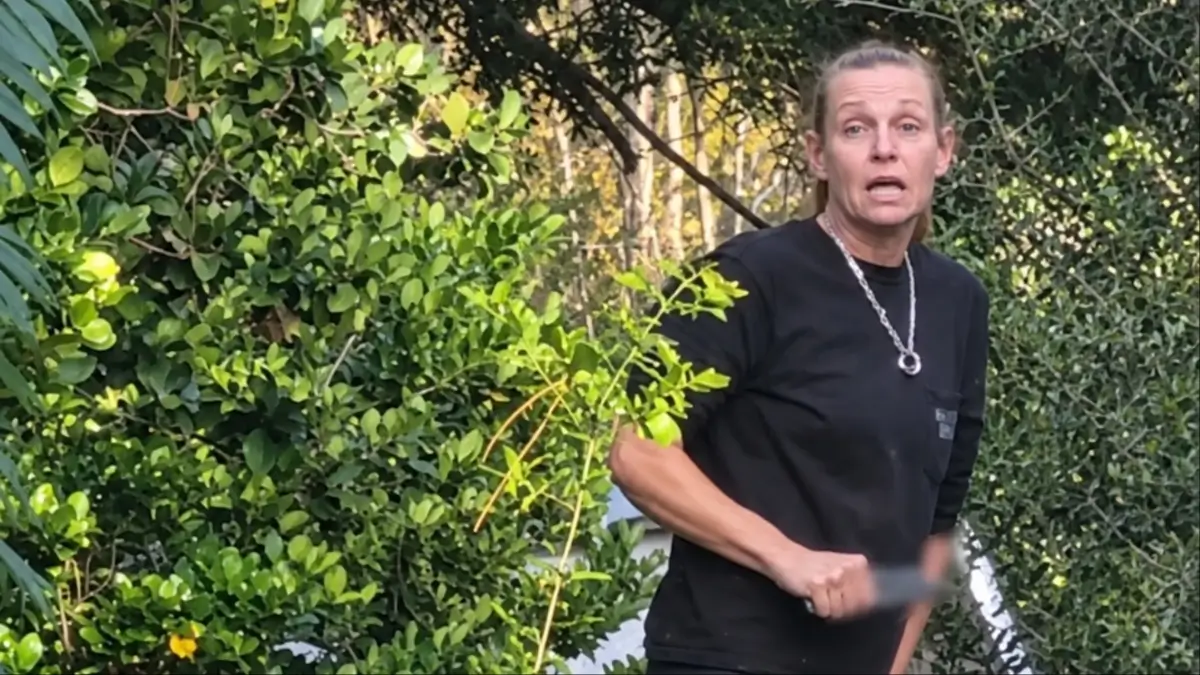
Fausto Isidro Meza-Flores, the alleged cartel boss known as “El Chapo Isidro,” was captured in a nighttime raid, Mexico’s National Defense Secretariat announced Saturday. The FBI had placed him on its Top 10 Most Wanted list and once offered up to $5 million for information leading to his arrest. His fall was quickly followed by gunfire, burning vehicles and fresh bloodshed.
Inside the Raid That Ended a Long Manhunt
Elite military units tracked Meza-Flores to a residence and slipped into the area undetected, according to the defense ministry. Troops set perimeters around the house to block any escape while guarding against cartel reinforcements who might try to break up the operation.
It did not stay quiet for long. Gunmen attacked the soldiers with gunfire and explosives, and seven attackers were killed. Troops pushed inside and arrested Meza-Flores, his second-in-command, known as Germán, a financial operator identified as José N and five other suspects, including a first cousin of Meza-Flores who allegedly handled logistics for the group.
Soldiers also seized drugs, cash, 10 firearms, a grenade launcher and other weapons and ammunition. Video released by authorities shows heavily armed troops in camouflage leading a man who appeared to be Meza-Flores through a dim house and into a truck.
Meza-Flores and his two lieutenants were flown to Mexico City and turned over to the Specialized Prosecutor’s Office for Organized Crime. The other five suspects were held in Sinaloa.
Sinaloa Pays the Price as Violence Spreads
The arrest set off a wave of chaos. Footage from Guasave showed screaming fans fleeing gunfire at a baseball game, with charred cars left in the streets. Near Los Mochis, vehicles burned on a highway as news of the capture spread.
Four infantry soldiers traveling to Guasave to reinforce security were killed, the defense ministry said.
Mexican Security Secretary Omar García Harfuch said Saturday that armed forces would remain in Sinaloa to protect residents, calling the arrests a meaningful step toward restoring calm in the state.
What the FBI Says He Ran
The FBI identifies Meza-Flores as the leader of the Meza-Flores Transnational Criminal Organization, a heavily armed trafficking network based in Sinaloa. Authorities accuse the group of moving heroin, methamphetamine, cocaine, fentanyl and marijuana into the United States while controlling production, transport and distribution across Mexico.
He was indicted in 2012 and again in 2019 on multiple drug-trafficking counts and firearm charges, and the bureau considers him armed and dangerous.
For American communities that have watched fentanyl devastate families, those charges hit close to home. Taking a major trafficker off the board can disrupt the supply chain, though cartels have often reorganized quickly after past arrests.
A Quiet Assist From Washington
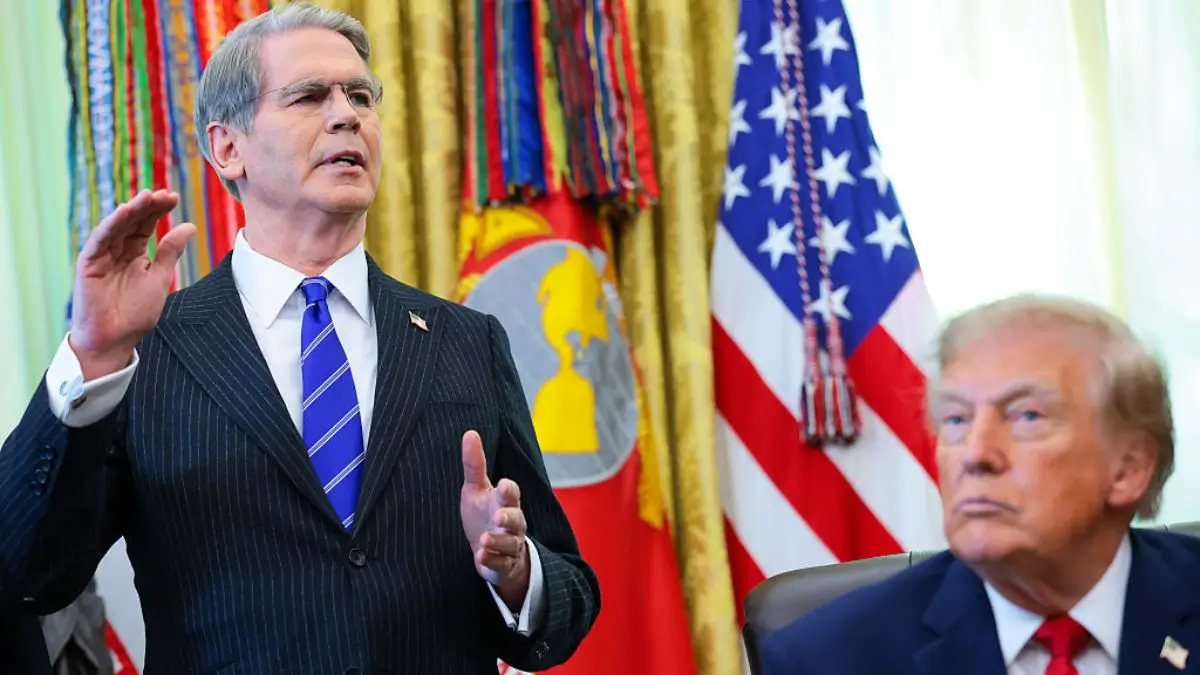
Mexican officials said intelligence from the Trump administration helped locate Meza-Flores but offered few details on how the two governments coordinated. U.S. Ambassador to Mexico Ronald Johnson credited strategic intelligence sharing between the countries for making the operation possible.
Attorney General Todd Blanche said on social media that the Mexican-led operation was backed by a coordinated interagency effort that included the U.S. Homeland Security Task Force.
Sheinbaum’s Crackdown Faces Its Next Test
The capture comes as President Claudia Sheinbaum faces mounting pressure from President Donald Trump to rein in the cartels. She has pursued criminal groups more aggressively than her predecessors, and homicides have fallen significantly during her two years in office.
Her government has already taken down several kingpins, most notably the powerful cartel leader known as “El Mencho,” who was killed in February. That operation also triggered a burst of violence and torched vehicles, a pattern now repeating in Sinaloa.
For residents caught in the crossfire, the bigger question is what happens next. Removing a kingpin can weaken a criminal network, but it can also unleash rivals and loyalists fighting over what remains.
Source: CBS Pittsburgh