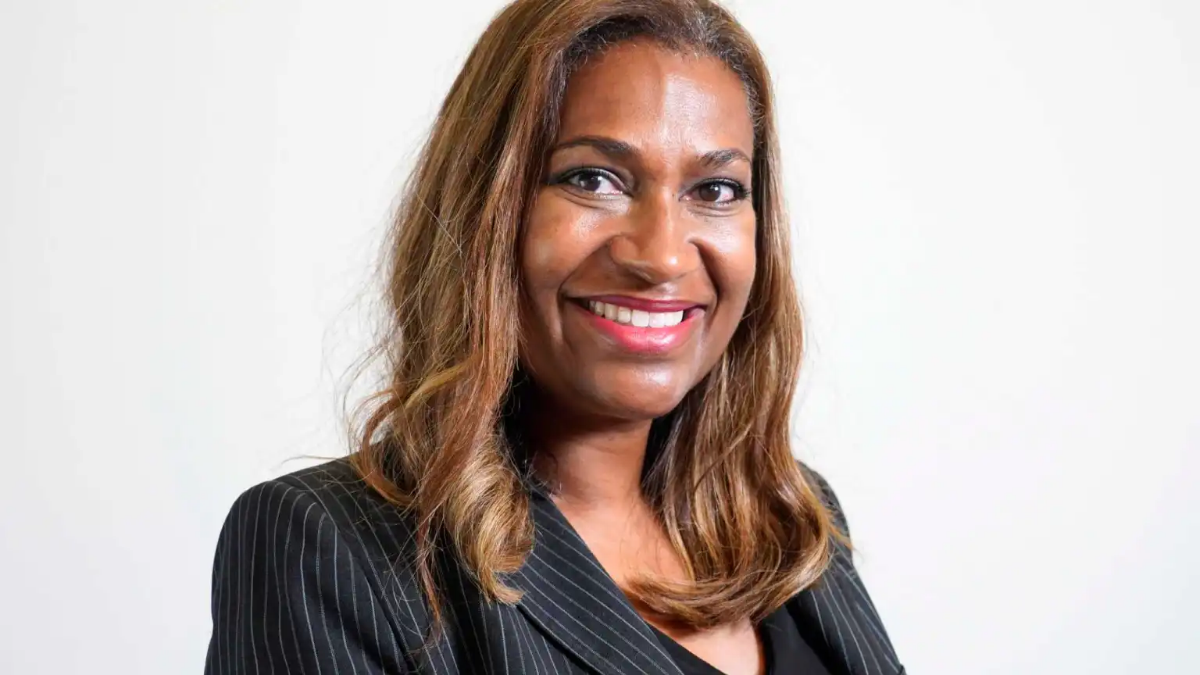
The Atlanta chef on leaving banking, honoring his mother and modernizing Ethiopian dining.
Ali Lemma spent six years in commercial banking before he left to cook. The founder and chef of Ruki’s Kitchen is an Atlanta restaurateur whose modern Ethiopian restaurant is named for his mother, Rukia. He taught himself Ethiopian cooking through family recipes and experimentation, and launched the concept as a pop up in East Atlanta Village in 2021. His signature steak tibs and Ethiopian inspired wings have earned coverage from the Atlanta Journal Constitution, Eater Atlanta and Atlanta Magazine, along with partnerships with the Atlanta Hawks, 85 South, the WNBA and Atlanta Food & Wine Fest.
Who is Ali Lemma, and what do you do?
I’m a former, former commercial banker and a current chef. I started Ruki’s Kitchen about four and a half years ago in East Atlanta and operated on a small scale for about two years. That’s where I built the brand and the foundation. Then I transitioned into a pop up and spent a good two years popping up all over the city.
The pop up life was fun, but it was not sustainable. I knew I wanted a brick and mortar. I found a space in Peoplestown, right next to Summerhill, and built out a stall in a new food hall called Terminal South. I’ve been operating there since last December, and we’ve been up and running for close to a year now.
What was it like growing up in Atlanta with Ethiopian roots?
It was great. Atlanta is a very inclusive place of many cultures. We have a very large East African population, a lot of Ethiopians and Eritreans. I felt included. I’ve lived in a few places, and there were some spaces where I felt like the outsider, but growing up in Atlanta, I definitely felt normal.
Who is Ruki, and why is your restaurant named after her?
Ruki is my mother’s name. Specifically, her name is Rukia. Ruki is her short nickname, and I named the restaurant after her. It’s supposed to tell you that it’s Mama’s Kitchen, and that’s what you get when you come to Ruki’s.
Why did you leave banking after six years?
I just got tired of it. I was burnt out. It was right around the peak of the pandemic, and a lot of us were working remote, just us in our four walls. It was a moment in life where I really got to be still and process what I was doing. I was making money and funding businesses.
A lot of the businesses I targeted were overlooked, like Black owned businesses and other minority owned businesses, whether Latin or woman owned. I found fulfillment in it, but it didn’t provide the purpose I felt I needed. That’s when I quit and took some time off, and it slowly led me to Ruki’s Kitchen.
How did you teach yourself to cook Ethiopian food?
I always cooked on a personal level. My true love for cooking started on the grill. I didn’t really cook Ethiopian food until I had the idea to start the restaurant. I worked backwards. I knew I wanted to cook Ethiopian food, but I didn’t know how.
I took time with my mom to learn a lot of it. I also spent a few weeks at a family friendly Ethiopian restaurant, where the owner helped me learn how to cook on a more commercial scale. From then on, I felt I knew what I was doing. Some people are truly blessed with the skill and can pick it up quickly, and I think I fall into that category. I grew up eating Ethiopian food my whole life, so I picked it up pretty quick.
How did Ruki’s Kitchen start as a pop up in 2021?
It started at a food collective in East Atlanta, a small kitchen that rotated different concepts every week. The owner offered me a pop up and said if it went well, it could turn into another pop up, then a short term lease, and eventually something longer and more sustainable. I did three to four pop ups there, which all went super successful. Then the owner said, “We want you here,” and I ended up there for three months. After that, they wanted me for a whole year, and it just continued. I got to my two year mark and left the food collective. I would say that’s when it turned into a true street pop up.
What is modern Ethiopian food?
It’s traditional Ethiopian food, but the vessel I provide it in, the restaurant and even the plating, is a modern take. A lot of Ethiopian restaurants are super traditional. You sit down at a big table with a big plate and a large portion. My motto is something a bit more modern and casual. I wouldn’t say the food is modern, but the style of how I house the food is. It’s a traditional Ethiopian restaurant in a modern setting.
What are steak tibs, and why are they your signature dish?
It’s an Ethiopian stir fry, or fajitas. It’s steak, marinated and sauteed. Sometimes it’s stewed, sometimes deep fried. It’s served many different ways depending on whose house or restaurant you go to. I pride myself on it because my background in cooking started on the grill. Marinating meat is something I’ve always been into, and that’s where a lot of my expertise is. I would say the steak tibs I have in house are, in my version, close to perfection.
What should a first timer order at an Ethiopian restaurant?
Definitely steak tibs, and most of the time there is a veggie platter. Get the veggie platter. It’s a good sampler plate of all the popular Ethiopian veggie dishes, like stewed lentils, cabbage and collards. If you go out for Ethiopian food, I would say order some tibs and a veggie platter as well.
What’s next for Ruki’s Kitchen, and where can people find you?
For now, I’m staying at the space I’m at until we stabilize everything, whether it’s the employees or staff. For the future, I definitely want to expand locally, but I haven’t gotten there yet, and I don’t want to talk about what, when and where. I want to focus on building out what I currently have and having this be a space where people can find me.