As three nuclear powers meet in Shenzhen, critics and supporters split over whether warm words with rivals buy peace or just photo ops
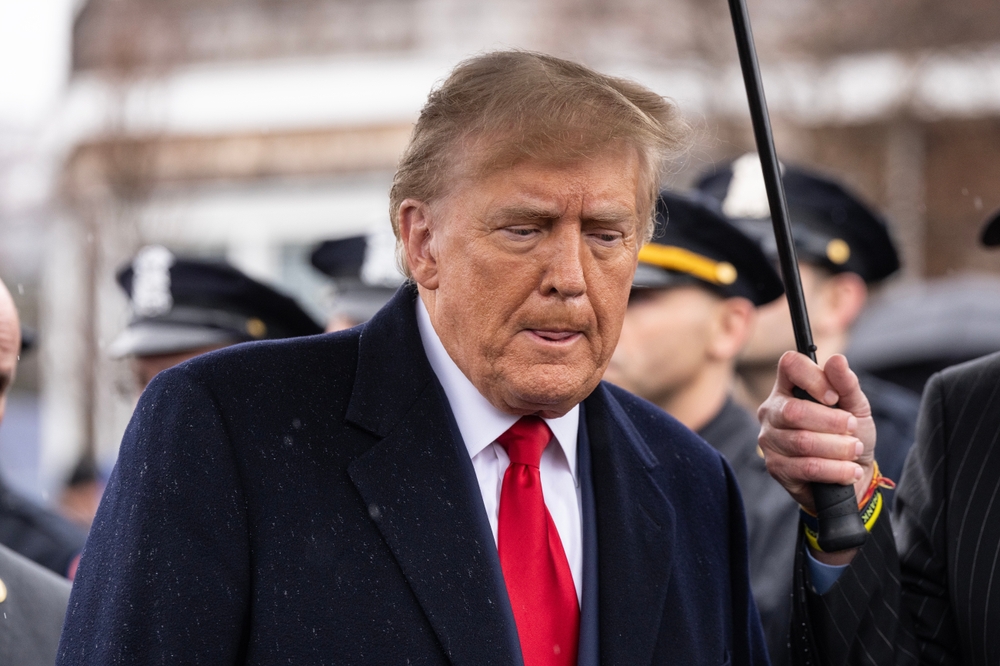
When President Donald Trump sits down with Chinese leader Xi Jinping and Russian President Vladimir Putin in Shenzhen, China, on Thursday, the meeting itself will not be what raises eyebrows. American presidents have long met with the leaders of rival nations. What sets Trump apart, critics say, is the warmth, the sense that he sees two authoritarian rivals less as adversaries than as kindred spirits.
The three-way summit, held alongside the Asia-Pacific Economic Cooperation gathering, carries heavy symbolism. Three powers that each claim dominance over their own regions will share a stage while smaller nations watch from the outside. Trump has also signaled he hopes to see North Korean leader Kim Jong Un while in China.
Praise for Rivals, Coolness Toward Allies
Trump’s tone before the trip drew attention. He suggested Putin, whose forces continue to strike Ukrainian civilians with drones and missiles, was actually holding back and could be far harsher. He also said he would not press Beijing over an espionage controversy involving advanced semiconductor chips because he did not want to offend China right before arriving.
Nicholas Burns, a former U.S. ambassador to China, questioned on CNN whether the meeting serves American interests at all. He argued it hands Putin an escape from nearly five years of isolation over Ukraine and that Trump’s praise for Xi runs counter to how a president should speak about a U.S. adversary.
Russia trails both the U.S. and China on nearly every measure except its Soviet-era nuclear stockpile. Yet Trump has repeatedly lifted Putin’s standing, including a recent sanctions-skirting deal to buy Russian diesel and an invitation for Putin to attend the Group of 20 summit at Trump’s Miami golf resort in December.
A Weakened Trump Looks for a Win
Both Trump and Putin arrive seeking validation. Trump comes off a sharp rebuke from voters in the midterm elections and wants to prove he is no lame duck. Xi, as host, gets to present himself to Chinese state media as the senior partner convening two other great powers.
Steve Tsang, director of the SOAS China Institute in London, told CNN that Beijing sees Trump as significantly diminished by the midterms and by recent technology missteps, a view likely to make China bolder if pressured. Still, Tsang said Xi will stay courteous to protect the relationship, whatever he privately thinks of Trump.
Xi and Putin face no elections that can unseat them. China may simply wait Trump out, expecting another policy reset under a new president in 2029, while Putin may calculate that Trump offers him a better Ukraine deal than any successor would.
The Case for Talking Anyway
Not everyone sees the summit as a mistake. With flashpoints in Ukraine, Iran and Taiwan, some analysts argue that the world’s leading nuclear powers should keep regular lines open. A productive meeting could ease those tensions or even head off a nuclear arms race in space.
President John F. Kennedy made a similar case in his inaugural address at the height of Cold War tension, arguing that courtesy is not weakness and that nations should never negotiate out of fear, nor fear negotiating. President Barack Obama followed that path with Iran and Cuba, openings Trump later reversed.
Retired Adm. James Stavridis, a former NATO supreme allied commander, told CNN that the leaders’ Wednesday banquet encounter was encouraging, noting apparent warmth between Trump and Xi while Putin seemed sidelined. Lyle Goldstein of Defense Priorities said personal chemistry genuinely matters and that a recurring three-way format could build a framework for steadier progress.
What History Says About Trump’s Summits
Trump’s first-term meetings with Xi, Putin and Kim produced striking images but few results. His rapport with Kim may have cooled tensions for a time, yet North Korea now has more weapons and missiles than ever. Critics also point to Trump’s impatience with the careful preparation and allied consultation that shaped President Ronald Reagan’s talks with Soviet leader Mikhail Gorbachev.
Fresh intrigue hangs over the talks, too. Trump has shrugged off reports that a former Nvidia CEO had an affair with an executive U.S. intelligence flagged as a possible Chinese asset.
Former Vice President Mike Pence urged Trump to use his rapport with Xi to spell out clearly what America will not tolerate. Trump has said the talks could cover nuclear weapons, Iran and Ukraine, though no breakthroughs are expected. Whether his friendliness becomes leverage or a liability may be the real test.
Source: CNN