New Orleans Lost Essence. Now It Wants to Build Something of Its Own
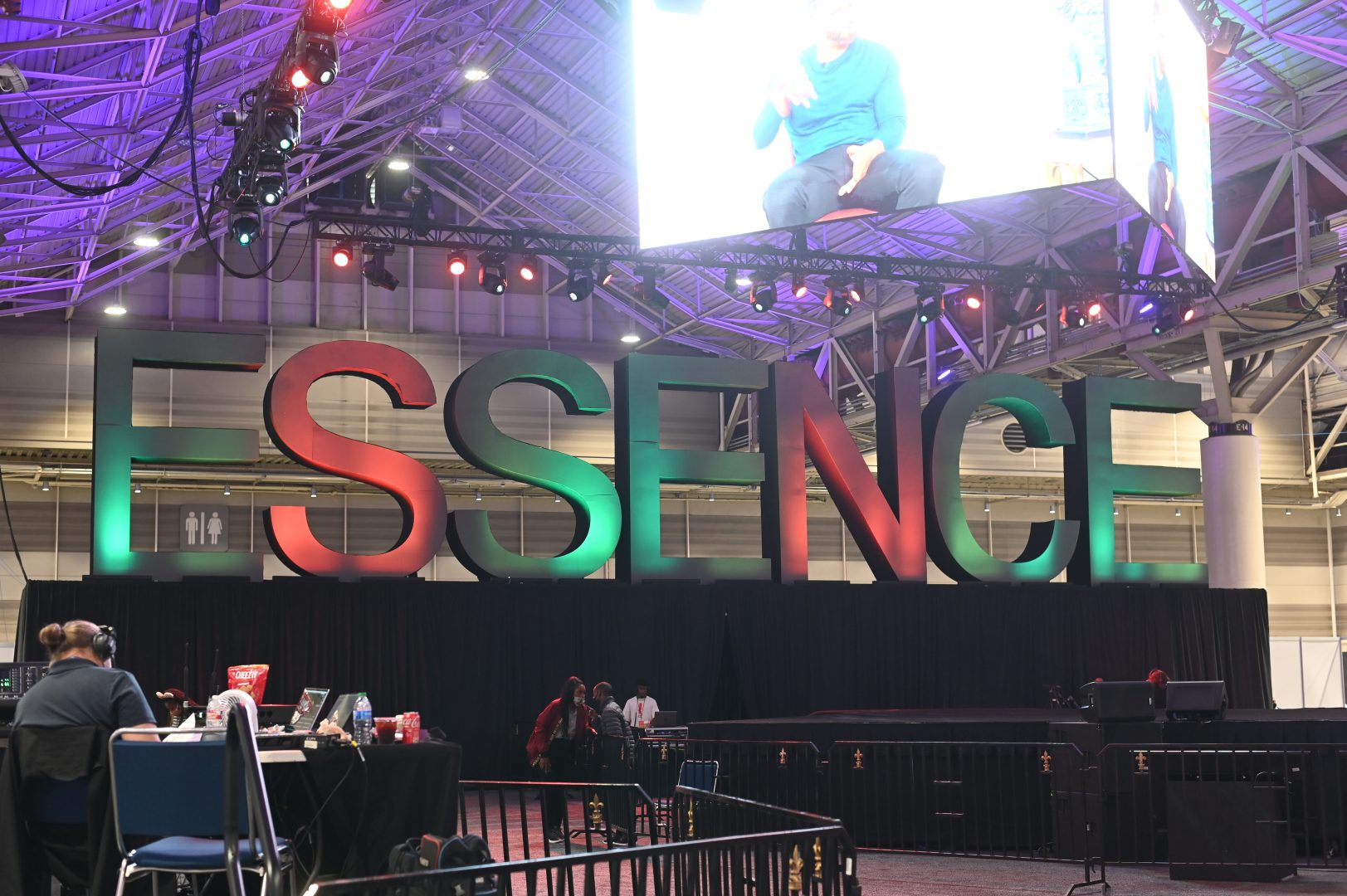
For 31 summers, the Fourth of July in New Orleans had its own sound. Brass carried out of hotel lobbies on Canal Street. Sister circles in matching T-shirts moved through the Convention Center. At night, the Superdome filled with grown women singing every word back to the stage like it was Sunday morning. In 2027, that soundtrack will play somewhere else.
On Tuesday, Sundial Media Group confirmed that next year’s Essence Festival of Culture will be held outside the Crescent City. That ends one of Black entertainment’s most important partnerships. The news came the same day Moreno, speaking earlier at a press conference for the Bayou Classic football weekend, told reporters the city was working toward something new.
“Every year, the people of New Orleans made it feel like home, and we are grateful,” Sundial said in its statement.
The company went beyond thanks. It said it had spent months pushing for a long-term deal and had asked several times for a formal, on-the-record meeting with city leaders. According to Sundial, those requests went unanswered.
A Breakup Months in the Making
The split has been building for a while. The festival’s multiyear contract with the city ran out in September, and talks stalled over money and accountability. Sundial asked for $10 million to $12 million a year, mostly for Essence 365, its year-round expansion. The festival had been receiving $750,000 a year from the city and the New Orleans Tourism and Cultural Fund. The city offered a one-year extension. Sundial held out for a multi-year agreement with “shared investment.”
Vendor payments added to the tension. In March, reports said the festival owed about $400,000 to the New Orleans convention center. By fall, at least two vendors from outside Louisiana had gone straight to Moreno with complaints about late payments and poor communication. CEO Kirk McDonald pushed back in public. He blamed part of the delay on $200,000 in civic payments he said the city still owed the festival.
By late October, the festival was looking at other cities. Organizers reached out to officials in Houston and Atlanta, and Sundial also told business owners at an invite-only event that it was talking with Philadelphia, Detroit, Baltimore, New York, and Nashville.
What New Orleans Stands to Lose
The economic hit will be large. New Orleans & Company puts the festival’s local economic impact at $300 million. Moreno herself has credited Essence with boosting the city over the holiday weekend, at a time of year when heat and storms keep tourists away.
The cultural loss may be harder to measure. Essence came to town in 1995. Former Mayor Marc Morial has written that the magazine wanted a city with deep Black cultural roots and a Black mayor, and that New Orleans was the natural fit. Aside from a move to Houston in 2006 after Hurricane Katrina and two virtual years during the pandemic, the festival has been held every year at the Morial Convention Center and the Superdome. Just this past summer, the weekend’s headliners were Michelle Obama, Cardi B, Brandy, and Monica.
The City’s Next Move
Moreno says July Fourth won’t sit empty. She told WWL that New Orleans will keep a Black cultural festival on the holiday weekend, with national headliners alongside local artists and businesses. According to sources, tourism leaders and members of her steering committee have been meeting with major festival producers, and plans for the new event are close to being finalized.
So far, there is no name, no producer, and no lineup. Sundial also hasn’t officially said where Essence will go next.
A Homecoming Without a Home
Essence was always bigger than a concert series. It mixed panels, beauty and business, family reunions and girls’ trips, and it gave Black women one weekend a year that belonged to them in a city that understood why. Whatever New Orleans builds next will have to earn that same loyalty from scratch. Wherever Essence lands, it will have to show the festival can carry its spirit somewhere new.
For the first time in a generation, the women who planned their summers around the Superdome will need a new route home.