Twelve Teams, 120 Players, One Big Bet on High School Basketball
Picture a convention center in July heat. Dozens of courts sit side by side under fluorescent lights. Sneakers squeak nonstop, college coaches crowd folding bleachers with clipboards, and parents balance phones, coolers, and nerves in the aisles. For decades, that’s been how college coaches find their next high school basketball star: a long summer on the road, a few hundred possessions, and a chance to get noticed.
Starting next spring, some of the biggest names the game has produced want the very best of those kids on one stage, in one league, getting paid by that league.
A League Built for the Elite
The Futures Basketball League will begin play next spring with 120 of the nation’s best under-18 boys basketball players. The prospects will come from the high school classes of 2028 through 2031 and will be split across 12 teams, each tied to a region of the country.
The calendar runs from April through August and ends with a championship. Teams will find talent within their own territory, but the league itself pays the contracts and paychecks through NIL deals. That one detail separates the Futures model from the travel-ball system young players have known for a generation, where club programs, sponsors, and shoe deals have long shaped who plays where and why.
The Money Behind the Movement
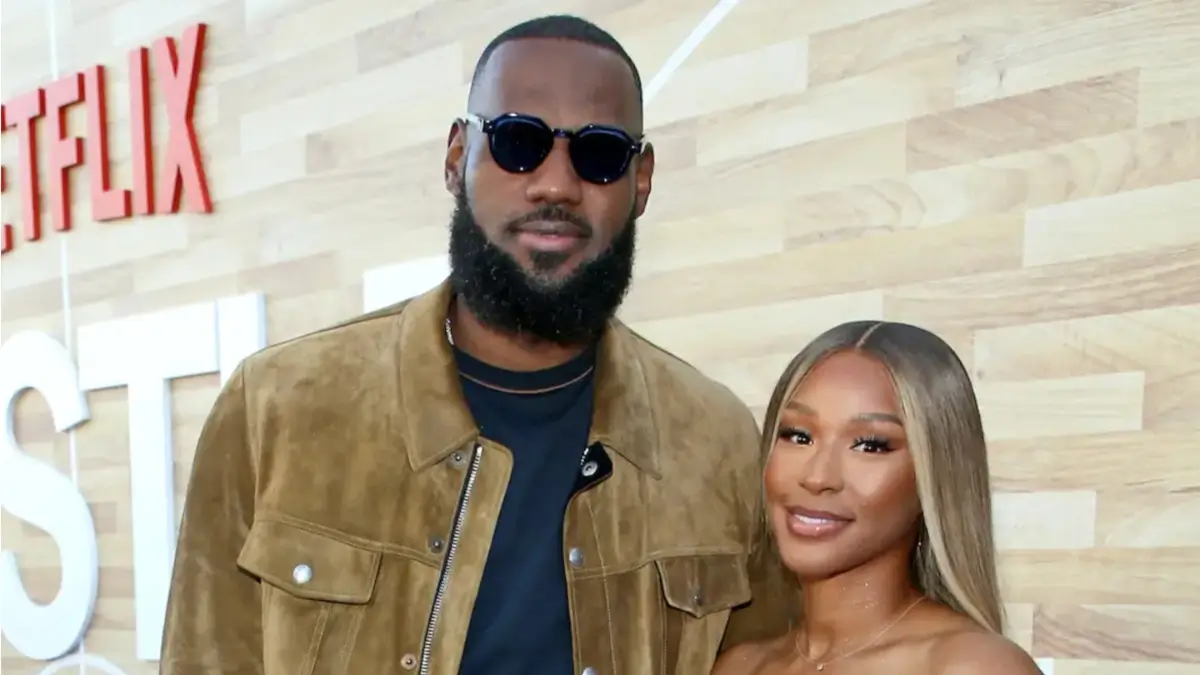
The ownership group reads like an All-Star ballot. LRMR Ventures, the fund LeBron James built with longtime business partner Maverick Carter, is in. So is Boardroom Sports Holdings, the investment arm Kevin Durant runs with Rich Kleiman. Orlando Magic forward Paolo Banchero, former NBA MVP Derrick Rose, and entrepreneur Gary Vaynerchuk are among the team owners. Rose has a hometown assignment: the Chicago native will lead the Windy City’s team.
A seat at the table has cost $6 million per franchise, and owners also receive equity in the league as a whole. Jason Stein, the league’s chairman and co-founder, is financing it through SC Holdings, the firm he co-founded with Daniel Haimovic. Stein plans to bring in revenue through sponsorships and a media rights deal that would air games nationwide.
The league is also leaning on people who already know the grassroots world. MADE Hoops is the official operating partner, staging games inside existing youth basketball events, and the league pledged $1 million to its foundation. In practice, Futures games will be played on grandstand courts inside convention centers that are already hosting large youth basketball events. The familiar July scene stays in place. The spotlight moves to center court.
Taking On the Sneaker Giants
For years, the summer has belonged to shoe companies, with Nike’s Elite Youth Basketball League at the top of the food chain. The new league’s spring and summer window will overlap with Nike’s established Elite Youth Basketball League (EYBL), potentially creating competition for some of the country’s best young talent.
That overlap carries some irony. James and Durant both have deep roots in that system. More than 230 NBA and WNBA players have participated in the EYBL, and both stars have sponsored teams on the circuit. Now the two players whose rivalry once defined a decade of NBA Finals are on the same side of the ledger, building an alternative to the structure that helped raise them.
What It Means for Families
For a 15-year-old guard in Minnesota or a 16-year-old big man in Chicago, the pitch is simple: a regular season, a defined roster, a guaranteed spotlight, and money tied directly to the work. For parents, it could mean fewer flights to scattered weekend tournaments and a clearer picture of who is responsible for their child’s development.
The bigger questions will be answered on the court and in the contracts: how players are selected, how coaching standards are set, and how the league fits alongside high school seasons, academics, and college recruiting rules that keep shifting in the NIL era.
The Clock Is Running
The first jump ball is roughly five months away. Between now and then, rosters have to be filled, coaches hired, and broadcast partners signed. The investors have already put up the money and their reputations.
When the Futures Basketball League tips off in April, the kids who once dreamed of playing like LeBron, KD, Rose, and Banchero will be playing for them.