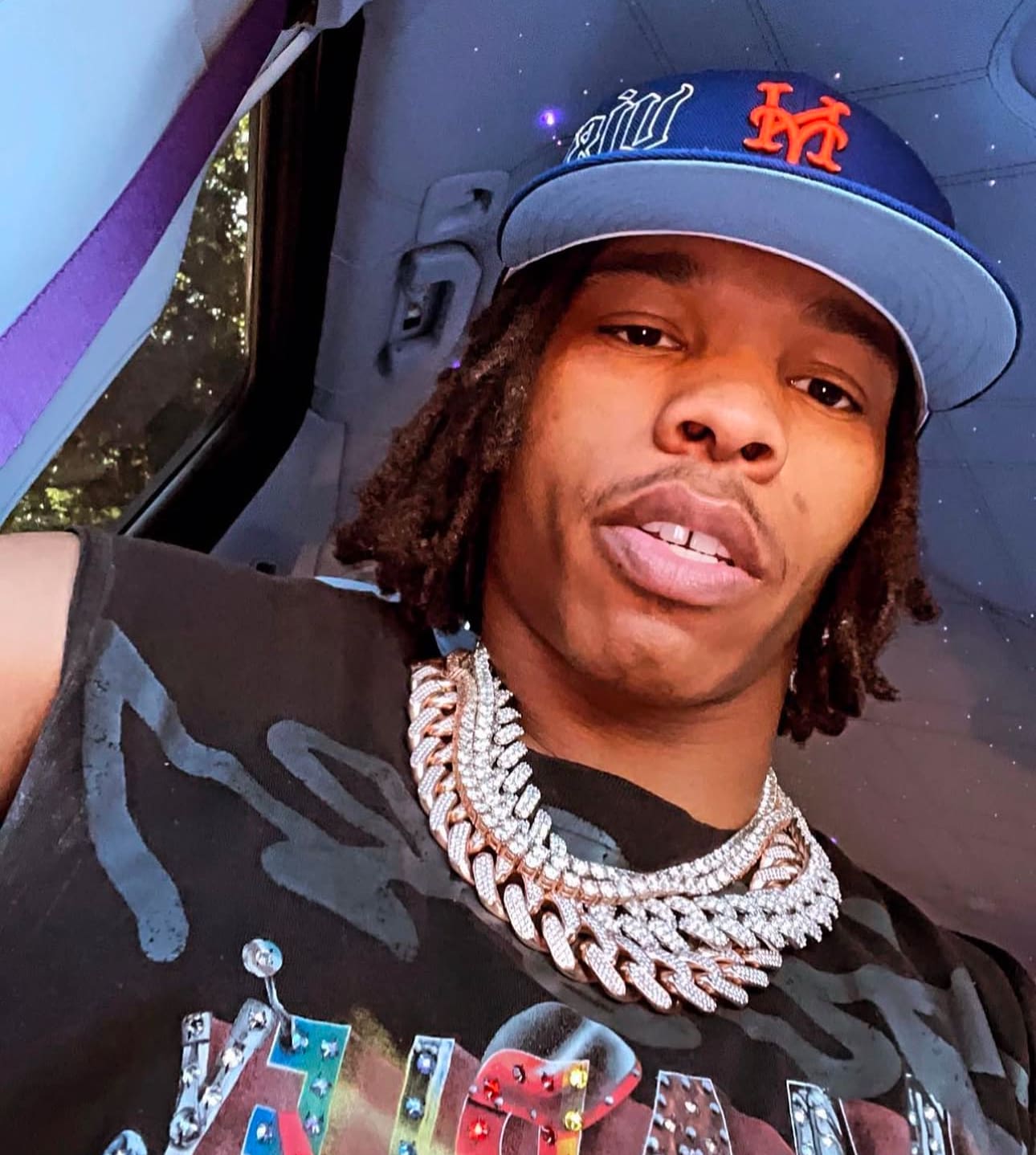
How a women’s vinyl collective turned a barroom epiphany into an eight year career.
Long before the Hollywood Bowl or the Great American Music Hall, there was a mountain town where the day began with roosters and a grandfather’s whistle. For DJ Mala Vida, born Noemi Martinez in La Haciendita, Guanajuato, that quiet rural soundscape was the first record she ever learned to love.
Today the Chicago based vinyl and digital selector is eight years into a career that has taken her across Mexico, Colombia, Ecuador, and Chile, and onto some of the most celebrated stages in the United States. Her sets move between cumbia, house, quebradita, and reggaeton, always centering rhythm and dance.
A Childhood Scored by Work and Song
Mala Vida describes her hometown as “very rural,” set in the mountainous outskirts, where the rhythm of the morning came from the animals. Her grandmother kept birds, and her grandfather sang and whistled through his chores. “I remember just learning that music was just part of hard work and just part of your life.
Saturday mornings carried the same lesson. Her mother filled the house with gruperas and cumbias to get the family moving and cleaning. As the youngest of four and the only girl, Mala Vida carved out her own space: “I would always host lip syncing concerts in my bedroom by myself. That was my me time.
Her Mother’s Dance Floor
Her love of cumbia traces directly to her mother, a great dancer who headed for the floor wherever a heavy bassline played. Growing up with a single parent, Mala Vida remembers those moments as rare freedom: seeing her mother “just have fun and not have to worry about what bills are gonna have to get paid.” That image still shapes how she thinks about dance music, as a space where people can set their worries down.
A Women’s Vinyl Collective Opens the Door
Mala Vida moved to the Bay Area in her late twenties and wandered into a small bar where an all women vinyl collective was playing. It was the Bay Area chapter of Chilita Vinyl Club, and it changed her sense of what was possible. “There was something about seeing that that empowered me to believe that, you know what? I can do that too.”
The collective welcomed her and taught her, with one condition: “each one, teach one.” Anything she learned, she had to pass on to someone else. That principle still guides her. She calls being in these spaces “a big privilege” and says she tries to honor them “with respect and dignity.”
Chicago Adds an Edge
Chicago broadened her sound further. The city, she says, is “a big melting pot,” and as the birthplace of house music it gave her the sound of cars cruising and clubs she started attending young. Hip hop entered her world there, along with the reggaeton that spilled from front porches and into the streets. “Chicago just gave me a different edge.
From Museums to Marquee Venues
That range has earned her bookings at the California Academy of Sciences, the National Museum of Mexican Art, and the Shedd Aquarium, as well as the Hollywood Bowl in Los Angeles and the Great American Music Hall in San Francisco. She has shared stages with Yeison Landero, Reyna Tropical, Los Gaiteros de San Jacinto, Son Rompe Pera, and Los Daddy’s.
Digging, Staying True, and Staying Hungry
Despite the digital era, vinyl remains central. She loves its rich sound and the thrill of finding records that were never digitized. “I want to introduce folks to music that already exists, but that has been forgotten,” she explains, and she enjoys tracing each record’s history: who made it, where it was pressed, how it reached her hands.
When labels or sponsors push back, she checks in with herself. “What does this music make me feel? I think music for me is a feeling, it’s an emotion.” If a project doesn’t speak to her core, she says no. Likewise, she tries not to chase virality: “I try not to focus too much on things being viral, but just things having essence.”
Her advice to new DJs echoes her own path: “Stay hungry. Stay curious.” She adds that the work never ends, and it “takes a certain amount of crazy” to commit to something with no finish line.
Listeners can find her mixes on SoundCloud and YouTube, or catch her live whenever she comes through their city.