Why Kim keeps leaving the president on read
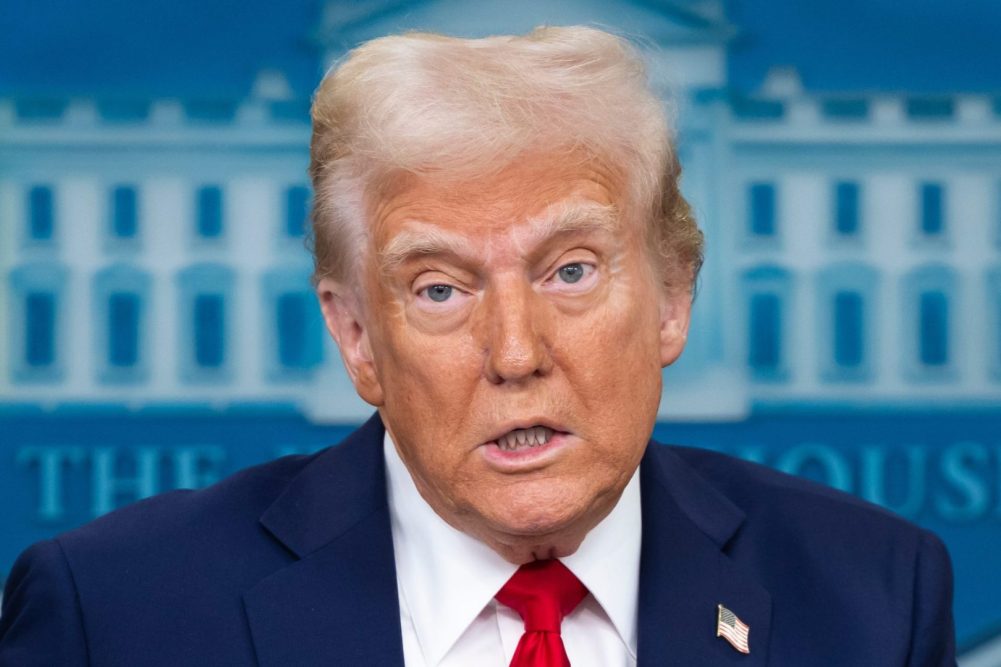
Few diplomatic friendships have cooled as sharply as the one between President Donald Trump and North Korean leader Kim Jong Un. Once the subject of summit photo ops and warm public praise, the relationship now appears to be running on silence.
Why is Kim not answering the phone?
Reports indicate Trump has tried more than once to reach Kim through the phone lines and communication channels that linked the two men during his first term. Nobody has called back. A letter followed and, according to people familiar with the matter, it also went unanswered.
For a president who prides himself on personal diplomacy, the quiet is awkward. Trump has long framed his bond with the North Korean leader as a rare strength, and he has spoken fondly of it in public more than once. That makes a stonewall from Pyongyang more than a routine diplomatic snub. It lands as a personal one.
How did the two leaders get here?
The story began in 2018, when the two men held a historic summit in Singapore. A second meeting in Hanoi followed in 2019, and later that year Trump stepped across the border into North Korea, the first sitting American president to do so. The images were striking. The results were thin. Neither summit produced a lasting agreement on North Korea’s nuclear program.
Since then, the arsenal has only grown. North Korea has expanded its nuclear capabilities in recent years while Washington has drifted further from any realistic path to dismantling them.
What was Trump hoping for in Asia?
Before his recent trip across the region, Trump spoke warmly of Chinese President Xi Jinping and Russian President Vladimir Putin, calling both friends. He also floated the idea of sitting down with Kim on the sidelines, noting that any such meeting would depend largely on Xi.
Trump has said repeatedly that his personal rapport can unlock results career diplomats cannot. A meeting with the North Korean leader would have offered a chance to test that claim again and to show that his approach to the region still works.
That meeting does not appear to have happened. For an administration that talked up the possibility, the missed connection was hard to spin.
Is the silence about more than friendship?
Observers read the cold shoulder two ways. On the surface, it suggests North Korea has no interest in giving up its nuclear weapons. Underneath, it hints that Kim may simply no longer want the kind of friendship Trump keeps advertising.
The sticking point is clear. Kim has pushed for Washington to recognize North Korea as a nuclear weapons state, a step that would mark a major shift in American foreign policy and reverse decades of official insistence on denuclearization. For Pyongyang, recognition is the prize. For Washington, it is a line that has never been crossed.
What could a deal look like?
Reports say officials in the administration have discussed ideas for a meeting that might include a joint statement. Under one version, the statement would stop short of formally recognizing North Korea as a nuclear power while also avoiding any call to dismantle its program.
Such a formula would sidestep the central dispute rather than settle it, which could make it attractive to both sides and frustrating to critics. Supporters might call it pragmatic diplomacy. Opponents might say it quietly accepts what Washington has long vowed to reject.
Whether Pyongyang is even willing to listen is another matter. Until Kim picks up, answers a letter or sends a signal, any deal remains hypothetical. The next move, for now, belongs to North Korea.