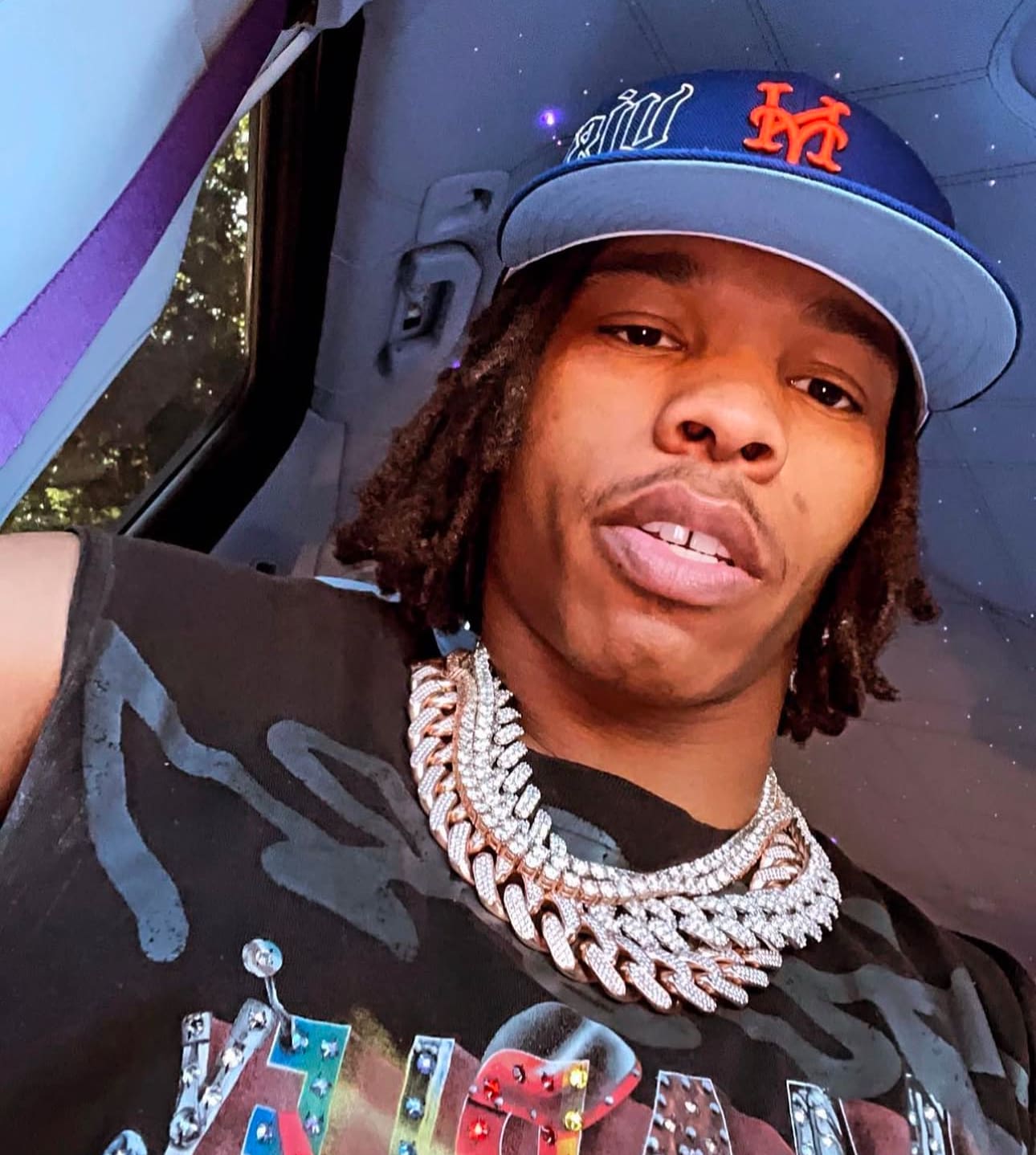
Florida’s first Black governor-elect publicly disputes his predecessor’s claim that Republicans gaslit Americans on gas prices, exposing a rare split at the top of the state GOP
Florida’s incoming governor has wasted little time drawing a line between himself and the man he is about to replace.
Gov.-elect Byron Donalds, who made history this month as the first Black person elected to lead the state, publicly rejected outgoing Gov. Ron DeSantis’ claim that Republicans lost voters’ trust by misleading them about the cost of gas. The disagreement played out on NBC’s Meet the Press, offering a rare public look at friction between two of Florida’s most powerful Republicans as the party regroups after a punishing midterm election.
The timing matters. Gas and grocery bills dominated the campaign, and working families across the country, including the Black households that often feel price spikes first and hardest, are still waiting for relief.
DeSantis Calls Out His Own Party
The dispute traces back to DeSantis’ Nov. 3 appearance on Stephen A. Smith’s Straight Shooter podcast. There, the term-limited governor said he had criticized Republican House and Senate candidates who traveled the country pinning high gas prices on former President Joe Biden.
DeSantis argued that the numbers told a different story. Gas cost about $3 a gallon roughly 18 months ago, he said, and had climbed to around $4 because of the war with Iran. When politicians gaslight the public on something that basic, he warned, voters stop believing them on everything else.
Donalds Says He Never Heard It
When host Kristen Welker played the clip, Donalds made clear he was not buying his predecessor’s premise. He told Welker he was unsure what DeSantis was referring to and said he had not heard Republican candidates blaming today’s prices at the pump on the Biden administration.
Donalds did, however, separate gas from the broader cost of living. He argued that the stubbornly high prices Americans still pay for everyday goods stem largely from the 9% annual inflation recorded during the Biden years.
The Strait of Hormuz Factor
On gasoline specifically, Donalds did not dispute that prices have climbed. Instead, he pointed to the turmoil surrounding the Strait of Hormuz, the narrow waterway that carries a significant share of the world’s oil supply.
Citing a recent Wall Street Journal article, he said insurance costs for ships moving through the strait have risen sharply, even though more oil is passing through it now than before the war began. Those added costs, he suggested, are ultimately landing on consumers.
Donalds acknowledged that ending the conflict would be the fastest route to cheaper fuel. Lowering gas prices and seeing the fighting stop are top priorities for both Florida and the nation, he said, and prices would fall quickly once that happens. Still, he circled back to his central point, repeating that he simply had not heard fellow Republicans blame Biden.
Where Iran Stands Now
The war both men referenced is approaching its ninth month, and a diplomatic resolution still appears distant. According to a Nov. 5 Reuters report, Iran sent a nuclear proposal to Washington by way of Qatar.
Tehran’s list of demands is long. It wants U.S. sanctions lifted, frozen Iranian assets released, compensation for war damage, an end to the U.S. naval blockade and a smaller American military presence in the region. Iranian officials have refused to negotiate on any of those terms and have closed the Strait of Hormuz until they are met.
What the Rift Means for Florida
For Donalds, the public split with DeSantis carries real stakes. He won on a promise to focus on kitchen-table issues, and he will inherit a state where residents feel squeezed at the pump, at the grocery store and on their insurance bills. How he explains those costs, and whom he holds responsible, will shape how voters judge his early months in office.
For DeSantis, who leaves office in January, the remarks place him in the unusual role of critic of his own party’s message just as Republicans try to make sense of their losses.
The open disagreement leaves Florida Republicans with two competing explanations for what went wrong. Which one resonates with voters may depend less on what either man said on television and more on what drivers see on the sign at the gas station.
Source: Wonderwall