'If You Don't Own Your Masters, Your A Slave To Your Masters: Prince's Prophecy, 30 Years Later
In November 1996, Prince finally went independent. Less than a week after his 18-year contract with Warner Bros. expired, he answered with three hours of music. Emancipation landed on Nov. 19 of that year: three discs, 36 songs, exactly 60 minutes apiece, released on his own NPG Records, with EMI handling distribution. Prince said it was his most important record.
Thirty years to the week, the building where he made it filled up again. From Nov. 19 to 21, Paisley Park hosted the Emancipation 30 Retrospective and Symposium, three days of panels, film, youth performances, and late nights. Nobody treated the album like a museum piece. The weekend treated it like a blueprint: who owns the work, and who gets the chance to make it.
Thursday: Back to the Source
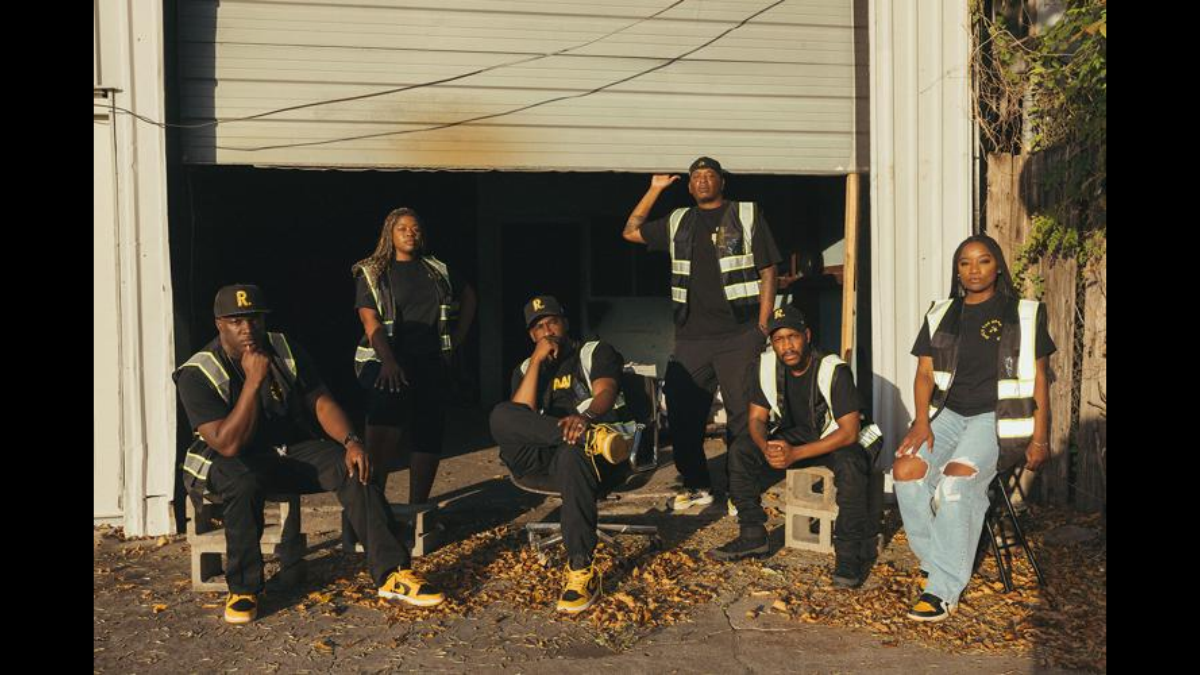
The weekend opened with three people who sat closer to the Emancipation era than almost anyone alive. Mayte Garcia, the former NPG dancer and choreographer who married Prince on Valentine’s Day 1996, shared the stage with Hans-Martin Buff, the Grammy-winning engineer and producer who once worked the boards inside Paisley’s studios. Rounding out the conversation was L. Londell McMillan, Prince’s former attorney and manager, and the weekend’s host.
Between them, the room got the full picture of that period: the stage, the studio and the business table. Once the chairs cleared, DJ Dudley took the floor and turned the night into a dance party, which is about as Paisley Park as a Thursday gets.
Friday: Freedom on Film, Then Funk After Dark
Friday leaned into the title’s ideas. Santita Jackson, Jerry Blackwell, Denny Laufenburger and Jeff Kosseff opened the evening with a panel conversation before the lights went down for Jam of the Year, the concert film shot in San Antonio during the tour that followed the album. That run kept going so long it spilled across two years, and on the big screen it still plays like Prince was out to prove something every night.
When the credits rolled, nobody headed for the parking lot. The New Power Generation plugged in for a late-night jam session, the kind of after-hours set Prince made legendary inside these walls.
Saturday: Passing the Torch
Saturday afternoon belonged to the next generation. Community Creative Day brought young performers through Paisley’s doors to take the stage and speak for themselves about what creative freedom looks like at their age, with Garcia moderating the conversation.
By evening, the focus shifted to the people who helped build the sound and the look. Garcia returned alongside drummer and percussionist Kirk Johnson, keyboardist Morris Hayes, guitarist Mike Scott, and art director Steve Parke for the weekend’s most revealing panel.
“He Was a Teacher”
The picture they painted was of a bandleader who demanded greatness because he was chasing it himself. Prince wanted every musician around him to be great, the panel said, and his rarest gift was teaching. That standard followed the band onstage. Prince insisted on live performance, so his players handled samples by hand in real time, a sharp contrast to today’s industry, where those sounds usually fire off a laptop.
The same rule applied to everything people saw. Prince stayed deep in creating his own visuals, and nothing went out unless it had something to say.
He also opened doors. Hayes is the proof: he came to Paisley Park as a driver and ended up holding down the keyboards in the band.
Then came the line that tied the whole weekend to its title. The panel recalled a phrase Prince repeated often: “If I am not controlling my masters, I am a slave to my masters.”
The Final Word
Saturday night, the New Power Generation brought it home with Emancipation Live, filling the NPG Club Cafe with music from the album that started it all. Thirty years ago, Prince walked away from a contract to own his voice. This weekend, the band he trained, the woman who danced beside him, and a room full of young artists showed what that freedom was built for.