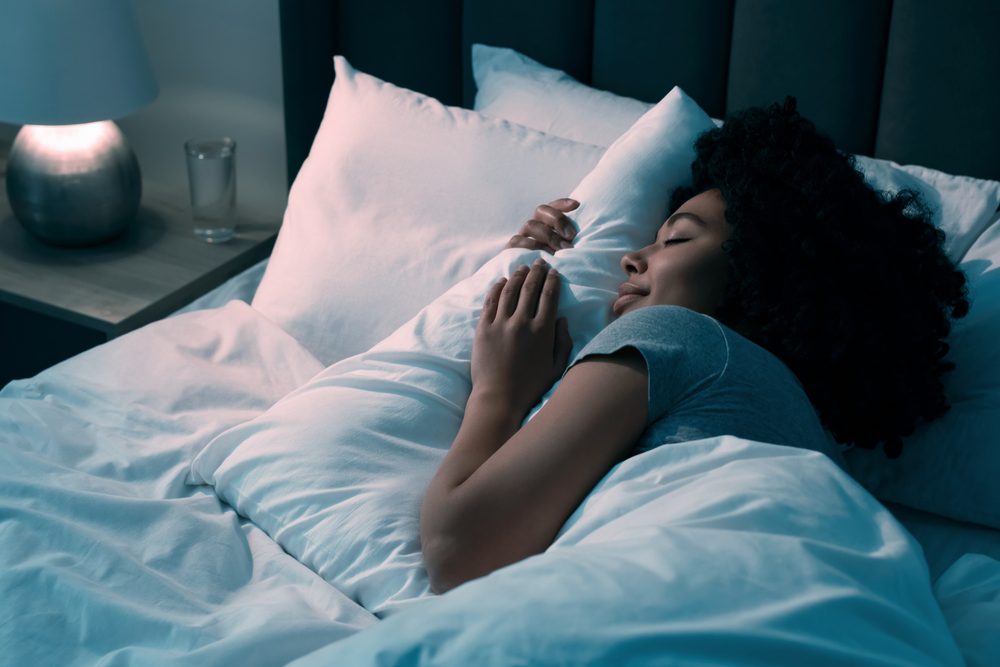
Sleeping apart is not failure—it might be the reset your health and marriage need.
Sleeping apart is not failure. It might be the reset your health and marriage need.
For decades, sharing a bed was treated as the ultimate measure of a healthy marriage. Today, a growing number of couples are choosing a “sleep divorce,” sleeping in separate beds or rooms so both partners can get restorative rest.
Surveys from the American Academy of Sleep Medicine show that more than one in three couples occasionally or consistently sleep apart due to snoring, mismatched schedules or different temperature preferences. Research from psychologists Amie Gordon and Serena Chen at the University of California, Berkeley, also found that even one night of poor sleep leaves couples more irritable, less empathetic and more likely to argue the next day.
When both partners agree, sleeping separately can protect your physical health and improve your waking relationship. Here is how couples make separate beds work without losing their connection.
1. Frame the conversation around health, not rejection
Bringing up separate beds can trigger hurt feelings if your partner hears it as personal rejection. Avoid starting this conversation late at night when you are both exhausted or frustrated by snoring.
Instead, bring it up during a calm daytime moment. Focus on how much you value your relationship and propose a temporary two-week trial on weeknights. Calling it an experiment for your shared health lowers the emotional stakes and gives both partners an easy exit.
2. Build intentional rituals for physical closeness
Without the automatic touch that happens while drifting off or waking up, you have to replace it with deliberate habits. Many successful couples keep a shared wind-down routine in one bed before parting ways for actual sleep.
Spend 20 minutes cuddling, talking about your day or reading side by side before one person heads to the other room. Scheduling morning check-ins (like sharing coffee before work) also keeps intimacy strong.
3. Upgrade each sleep environment to fit the individual
Sleeping apart gives you total control over your sleep environment. Keep bedrooms between 60 and 67 degrees Fahrenheit, use blackout curtains and choose a mattress firmness that suits your own body.
If you do not have a spare room, try two twin XL beds pushed together, a split king mattress or the Scandinavian sleep method, which uses two separate twin duvets on one shared mattress.
4. Investigate and treat underlying medical sleep issues
Separate beds solve noise and movement, but they should not mask a medical condition. Loud, chronic snoring, gasping for air or violent leg movements are classic warning signs of obstructive sleep apnea or restless legs syndrome.
Encourage your partner to see a primary care doctor or sleep specialist. Treating the root cause protects long-term heart health and may even help you share a bed comfortably again later.
5. Schedule monthly check-ins to evaluate how you both feel
Check in once a month to ask if you both feel rested and emotionally connected. Many couples prefer a hybrid schedule, sleeping separately on busy weeknights and sharing a bed on weekends. If either partner feels lonely or resentful, adjust your routines right away.
When a sleep divorce is not the right answer
Sleeping apart works best when it solves a physical problem inside a supportive marriage. If you are retreating to separate rooms to avoid difficult conversations or hide resentment, separate beds will only widen the distance. Pay attention to your motivation, and consider couples therapy if emotional distance is the real issue.