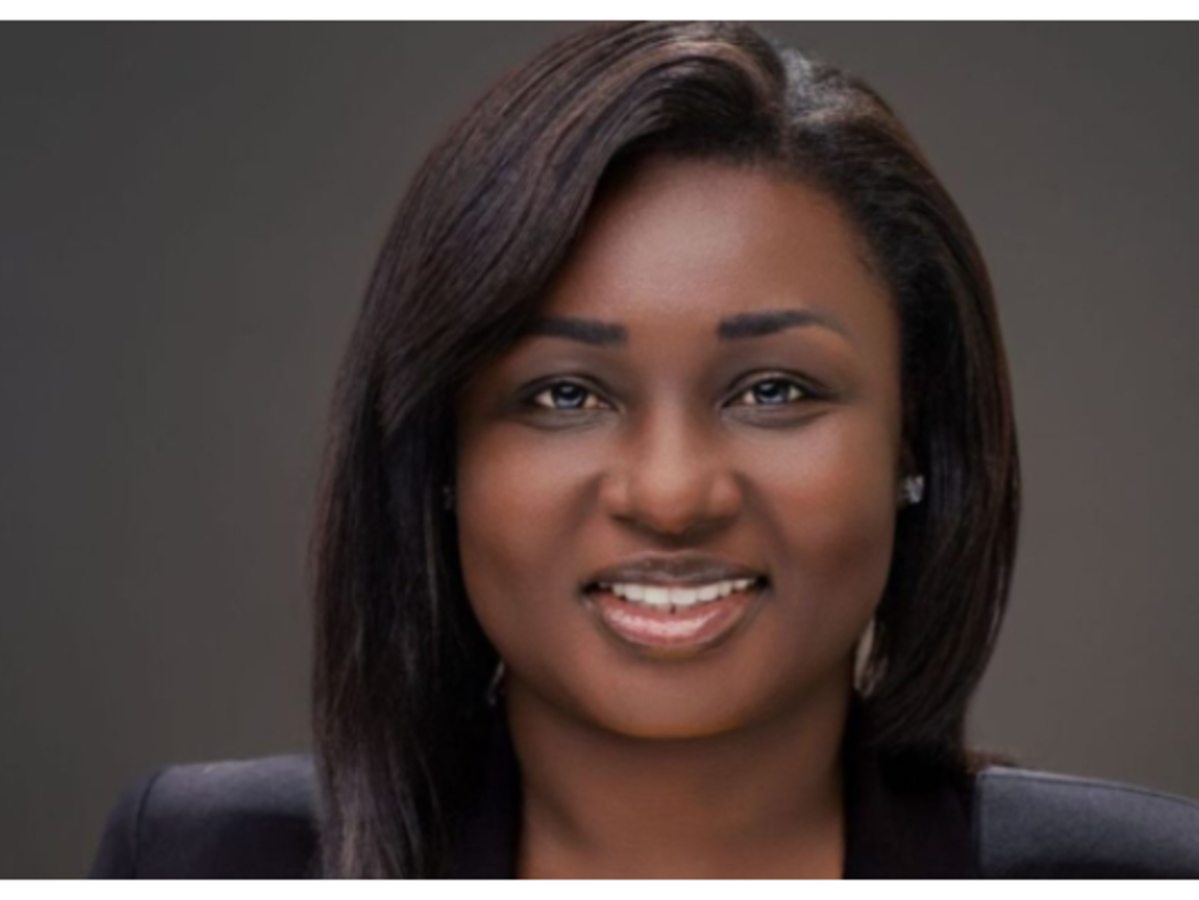
Dr. Ernestina Schandorf, a paediatric oncologist at Ghana’s Korle Bu Teaching Hospital, has completed a two-year fellowship in paediatric neuro-oncology with St. Jude Children’s Research Hospital in the U.S. This makes her the first paediatric neuro-oncologist in Ghana and the first in West Africa, according to a report by CNR.
Paediatric neuro-oncology is a specialised field of medicine focused on diagnosing and treating tumors and cancers of the brain, spinal cord, and central nervous system in infants and children.
For years now, as an advocate for children with brain tumours, Dr. Schandorf has been working to improve childhood cancer care, especially for children diagnosed with tumors of the central nervous system.
Her field requires close collaboration among paediatric oncologists, neurosurgeons, neurologists, radiologists, pathologists and radiation oncologists.
Through her work at the Paediatric Oncology Unit of Korle Bu Teaching Hospital, she has been a dedicated advocate for enhancing diagnostic access, treatment options, and integrated multidisciplinary care for children with brain tumors in Ghana and beyond.
Her advocacy has moved beyond clinical practice into research, academic publications and collaborations that seek to find solutions to the challenges faced by children with brain tumors in resource-limited settings.
One of her scientific publications on paediatric brain tumours is “Childhood Central Nervous System Tumours at a Major Center in Ghana: Presentation and Outcomes,” a study looking at the challenges in the diagnosis and treatment of childhood brain tumors at Korle Bu Teaching Hospital.
According to CNR, Dr. Schandorf’s work has “helped draw attention to the urgent need for stronger referral pathways, timely diagnostic services and access to specialised treatment for affected children.”
The two-year St. Jude Global Virtual Pediatric Neuro-Oncology Fellowship aims to strengthen pediatric brain tumor care in resource-limited countries through education, research, and capacity building.
Doctors who join the program develop advanced expertise while continuing to treat children with brain tumors in their local communities.
“We require each fellow to complete a research project, which is often a retrospective review to help establish baseline data,” Elizabeth DiNovis, program coordinator of the Global Neuro-Oncology Transversal Program, explained. “This allows them to measure the impact of their participation in the program.”
Certainly, Dr. Schandorf’s achievement is a milestone for Ghana and West Africa, as brain tumors continue to be some of the most difficult childhood cancers to manage, particularly in areas that lack the infrastructure and resources to do so.
Having a trained paediatric neuro-oncologist should change the status quo to enable more children diagnosed with brain tumors in Ghana and across West Africa to access specialized and comprehensive care that is nearer to home and timely.