Inflation is squeezing holiday budgets, and the Fed's next move could follow you into the new year
Inflation picked up again in October. The Federal Reserve’s preferred gauge, the personal consumption expenditures price index, rose 3.8% from a year earlier, up from 3.6% in September, the Commerce Department said today, Nov. 25. Core prices, which leave out food and energy, rose 3.3%, the highest level in about three years. The report all but locks in a Fed interest rate hike at the central bank’s Dec. 8 and 9 meeting.
The timing stings. The report landed the day before Thanksgiving and showed food prices up 0.4% in October, the biggest monthly jump since April. A rate hike would then raise borrowing costs for families who are already putting more of their lives on credit cards.
What did the October inflation report show?
Prices rose 0.3% from September to October, slower than the 0.6% increase the month before. Gas prices rose just 0.8% after surging 9.2% in September. Core prices also rose 0.3% for the third month in a row. Measured over the last three months on an annualized basis, core inflation is running at 3.6%.
The Fed aims for 2% inflation, and it has missed that goal for nearly six years.
Why is inflation still running hot?
Inflation had been drifting lower until the U.S. and Israel attacked Iran in late February, which sent energy prices soaring. Tariffs have kept up the pressure, and so has heavy spending on artificial intelligence projects. Today, the White House announced a new round of tariffs on trading partners including China, the European Union and Japan.
The broader economy is running hot too. Growth in the third quarter was revised up to a 4.3% annual rate, the fastest in three years. Business investment jumped 16.1%. Weekly jobless claims fell to 189,000, near the lowest level since the late 1960s. Heather Long, chief economist at Navy Federal Credit Union, said America’s inflation problem goes deeper than an energy shock.
Who feels inflation the most right now?
Consumer spending looks strong on paper, but much of it is coming from wealthier households. According to The Associated Press, there are signs that lower income Americans are leaning harder on credit to keep up.
The numbers back that up. The New York Fed reported that credit card balances rose by $22 billion in the third quarter to $1.29 trillion. The average interest rate on cards carrying a balance climbed to 22.36% in the third quarter. TransUnion puts the average card balance at $6,678 per borrower. For working families, including many Black households with less wealth to fall back on, that debt gets more expensive every time rates rise.
Will the Fed raise rates in December because of inflation?
Markets are fully pricing in a quarter point hike on Dec. 9. The upper end of the Fed’s target range has been 4% since its September increase. Traders also expect two more hikes in 2027, though CME Group’s FedWatch tool shows the odds of a third falling to about one in three from even odds on Tuesday.
Credit card rates are tied to the prime rate, which moves with the Fed’s benchmark rate. A December hike would likely show up on card statements early in the new year.
What does inflation mean for your holiday budget?
Relief from Washington is not coming soon. President Donald Trump said he would work with Democrats on a one year cap limiting credit card rates to 10%, but nothing has become law.
Wall Street sent another warning Today. The S&P 500 fell 2.8% and the Nasdaq dropped 4% as worries grew about whether the AI spending boom will pay off. A long slide could cool spending and make the Fed think twice about how far to push rates.
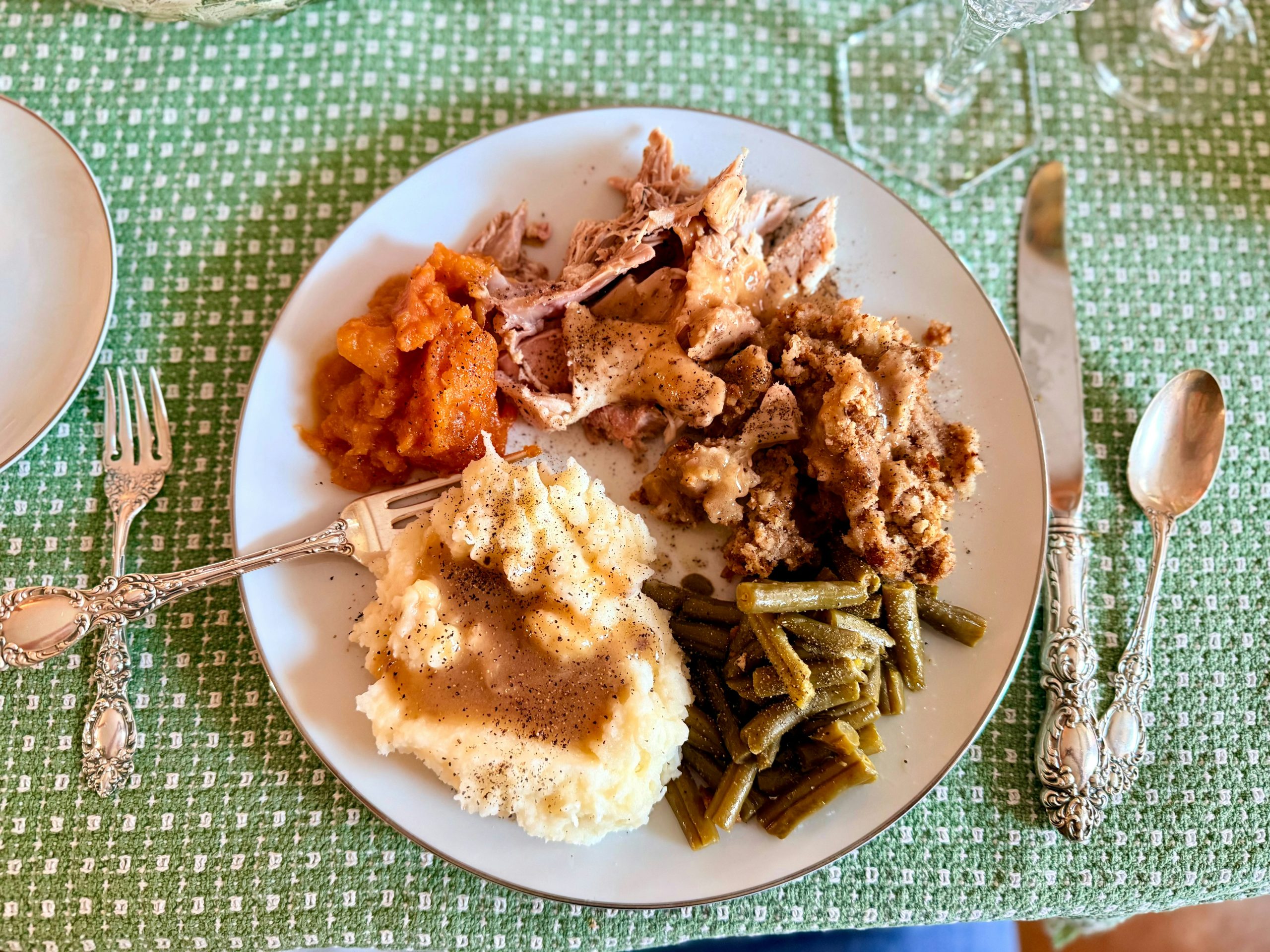
Until then, the math is simple. Groceries cost more this Thanksgiving, and the cost of carrying a balance is likely heading up. Paying down card debt before the new year is one of the few moves that beats both.