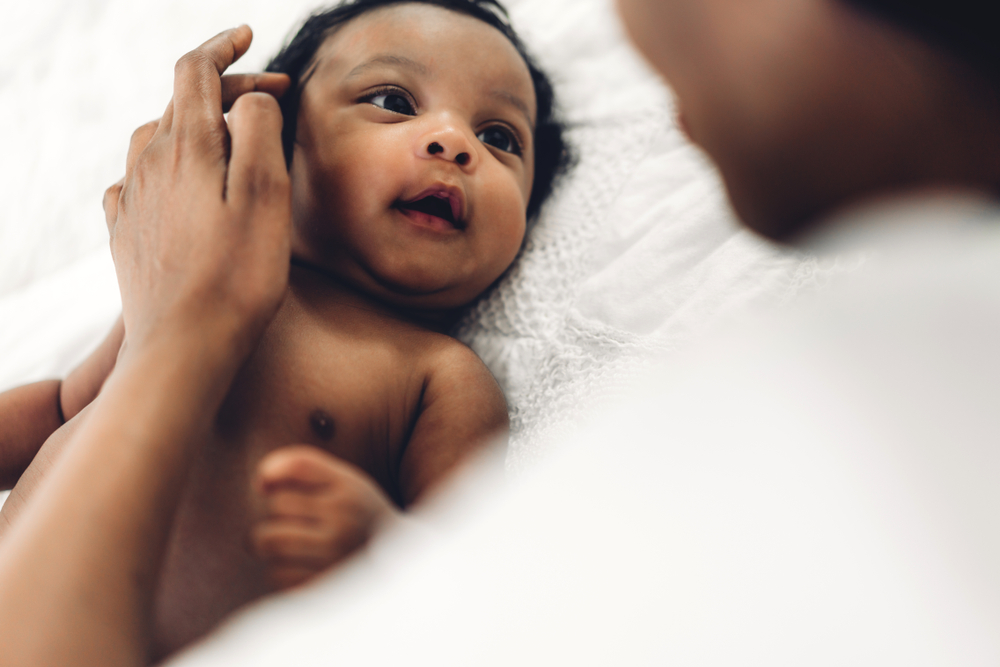
The hardest surprises may be sleep, recovery and the relationship nobody warned you about
Seven things parents often wish they knew before having a baby: sleep will be broken, recovery takes longer than six weeks, feeding can be hard, crying peaks early, your relationship will be tested, mental health matters for both parents and safety basics matter more than gear. Most of them are normal, and knowing them ahead of time makes them easier to handle.
That’s why preparation helps. New parents lose roughly two hours of sleep a night in the early months, according to research, and about two-thirds of couples report lower relationship satisfaction after a baby, according to psychologist John Gottman’s research. You can plan for both.
1. Why does sleep fall apart?
Newborns sleep many hours but in short stretches of two to three hours, so parents wake often. Take shifts, nap when you can and protect one longer stretch of sleep for each parent. Ask relatives or friends for help.
2. Is recovery really longer than six weeks?
Yes. Six weeks is a checkup, not full recovery. Healing from birth, whether vaginal or cesarean, can take months, and the pelvic floor, hormones and energy take time. Ask your doctor about pelvic floor therapy, pain and when to resume exercise.
3. Why can feeding be so hard?
Breastfeeding and bottle feeding both take practice. Latch problems, supply worries and pain are common. A lactation consultant can help, and a fed baby is the goal, whatever the method. Ask your pediatrician about weight checks.
4. Why does the crying get worse?
Crying often peaks around six to eight weeks, a pattern pediatricians call the period of PURPLE crying, and it usually eases by three to four months. It is not your fault. Put the baby down safely and step away if you feel overwhelmed. Never shake a baby.
5. How will your relationship change?
Sleep loss, chores and less time together strain couples. Share tasks openly, protect small moments such as a daily check-in and talk about expectations before resentment builds.
6. Does mental health matter for both parents?
Yes. About 1 in 8 women has postpartum depression symptoms, according to the CDC, and fathers can be affected too. Call the National Maternal Mental Health Hotline at 1-833-852-6262, and call or text 988 if you have thoughts of harming yourself.
7. What do you actually need?
You need less gear than stores suggest, but safety basics matter. Put babies to sleep on their backs in a bare crib or bassinet, use a rear-facing car seat every ride and keep a pediatrician’s number handy. Costs add up too, so build a simple budget.
What should you do before the baby arrives?
Line up help for meals and rest, choose a pediatrician, take an infant CPR class and talk with your partner about sleep, chores and money. Keep expectations flexible. Asking for help early is a strength.