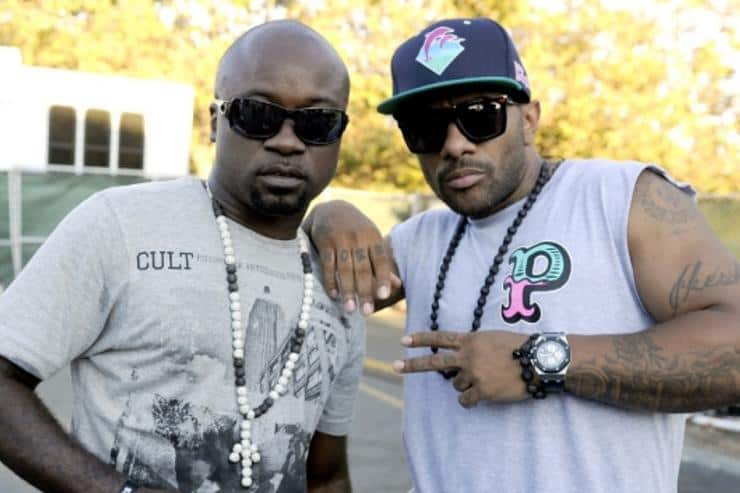
A legal battle is brewing over the legacy of one of Hip Hop’s most celebrated duos, as the estate of late Mobb Deep rapper Prodigy has filed a multimillion-dollar lawsuit against his longtime partner Havoc, alleging that the Queensbridge producer has withheld the estate’s share of profits generated under the Mobb Deep name since Prodigy’s death in 2017.
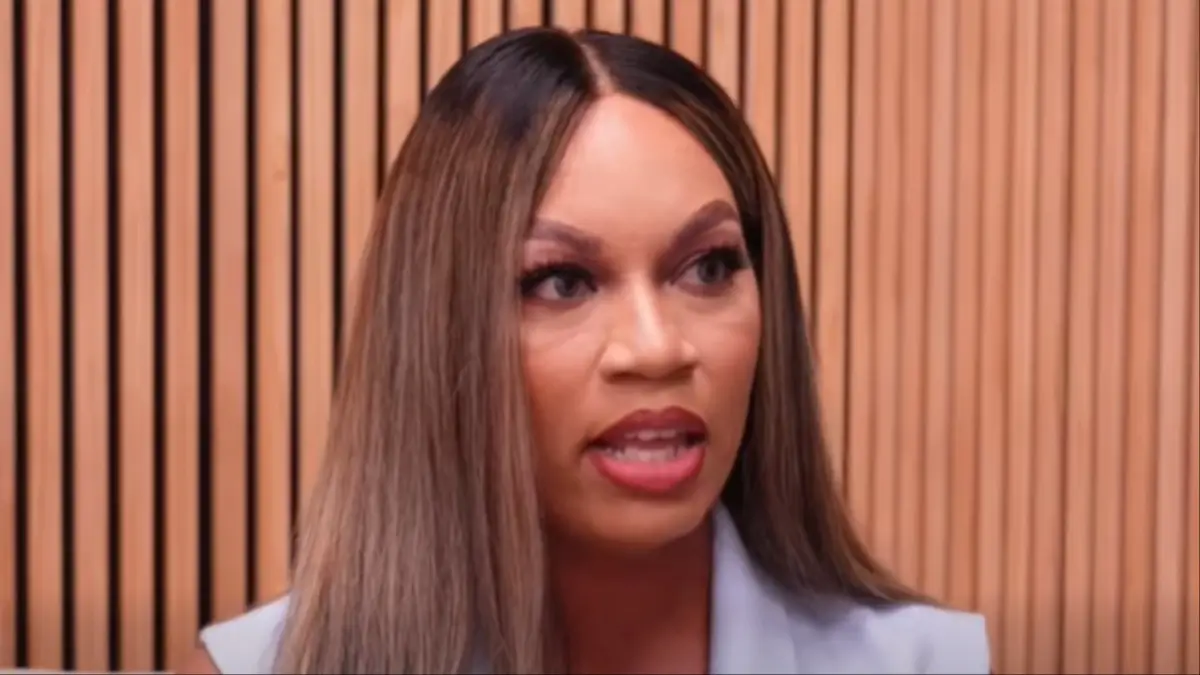
According to court documents, Prodigy’s widow, Ikesha Dudley, acting as executrix of the late rapper’s estate, filed the lawsuit on October 30 in federal court in White Plains, New York. The complaint names Havoc, whose real name is Kejuan Muchita, along with his companies HClass Entertainment Inc. and Kejuan Muchita Inc.
The estate claims it maintains a 50% ownership interest in Mobb Deep LLC, the company established by the legendary duo in 2000 to oversee the group’s trademarks, copyrights, and business operations. However, Dudley alleges that following Prodigy’s death on June 20, 2017, Havoc assumed control of the company, excluded the estate from management decisions, and failed to provide financial records or distribute its share of earnings.
According to the complaint, Havoc has performed at least 172 shows under the Mobb Deep name since Prodigy’s passing, with performances spanning North America, South America, and Europe. The estate alleges that these appearances generated millions of dollars in revenue, including more than $1 million in merchandise sales, without any profits being distributed to Prodigy’s beneficiaries.
The lawsuit further accuses Havoc of diverting Mobb Deep business opportunities and revenue through his separate companies rather than the jointly owned entity. The estate has brought 6 claims, including breach of fiduciary duty, conversion, unjust enrichment, and demands for financial accounting.
In addition to monetary damages, the estate is requesting a complete examination of Mobb Deep’s financial records, its alleged share of outstanding profits, and the return of Prodigy’s master recordings, which it claims Havoc has retained and used without proper authorization.
Havoc addressed the lawsuit publicly on Friday (November 20), expressing hope that the dispute could be resolved without further damaging the relationship between the families.
“Had I did this first I would’ve been the bad guy. Now the truth gets to come out,” Havoc wrote on Instagram, adding that he was keeping the family in his heart and hoped they could settle the matter amicably.
Attorney Keith J. Moten, representing Prodigy’s estate, subsequently released a statement emphasizing that the legal action was not intended to prevent Havoc from performing or celebrating Mobb Deep’s music. Instead, the family maintains that the lawsuit is about transparency, accountability, and protecting Prodigy’s ownership interests for future generations.
The dispute comes at a particularly significant time for Mobb Deep’s legacy. In October 2025, Havoc released Infinite, the group’s first studio album since Prodigy’s death, featuring previously unreleased vocals from the late MC and production from Havoc and The Alchemist.
Havoc previously acknowledged receiving permission from Prodigy’s estate to use those recordings, although he specified that the agreement concerned that particular album.
For Hip Hop fans, the lawsuit represents an unfortunate chapter in the history of a group whose contributions to the culture remain undeniable. From The Infamous to Hell On Earth and Murda Muzik, Havoc and Prodigy helped establish the unmistakable sound of Queensbridge while influencing generations of MCs and producers.
Prodigy, born Albert Johnson, passed away at 42 following complications related to his lifelong battle with sickle cell disease. Nearly a decade later, his recordings, performances, and contributions to Mobb Deep continue to generate commercial interest.
The estate’s allegations have not been proven in court, and the precise amount of any profits owed has yet to be determined. As the legal proceedings move forward, the central question will be whether the business partnership that helped build Mobb Deep’s legacy continued to honor Prodigy’s ownership rights after his passing.
For a group that built its reputation on loyalty, brotherhood, and an uncompromising commitment to Queensbridge, the outcome of this dispute could determine how that legacy is protected for generations to come.